
Are you a Florida-based startup looking to succeed in 2023? If so, we have great news for you! We have compiled a comprehensive guide filled with 112 business tips that will help you take your startup to the next level.
Our guide is packed with practical advice that covers everything from legal and financial considerations to marketing and branding strategies. We understand that starting a business can be overwhelming, and that’s why we have created this resource to help you navigate the complex world of entrepreneurship with ease.
Imagine what it would be like to have a successful and thriving startup in 2023. By following our 112 business tips, you will be well on your way to achieving your goals and making your startup dreams a reality. With the proper guidance and support, there’s no limit to what you can achieve.
-
1. Create a clear business plan
Start with a strong business plan that outlines your goals, target market, products or services, and financial projections. This will provide a roadmap for your startup and help you stay on track.
-
2. Research your market thoroughly
Conduct thorough market research to identify and understand your target customers and competitors. This will help you identify opportunities and challenges in your industry and come up with sound judgment calls.
-
3. Define what makes you different
Determine your unique value proposition and what sets your startup apart from others in your industry. Start by choosing a business name that is memorable, easy to pronounce, and reflects your brand identity.
-
4. Conduct a SWOT analysis
Carry out a SWOT analysis to identify your strengths, weaknesses, opportunities, and threats. This will help you uncover things to improve about your organization and understand why some facets of your organization are struggling.
-
5. Decide on a legal structure
Choosing a proper legal structure is an essential component of establishing a startup. Understanding your alternatives is critical, whether you desire a sole proprietorship, partnership, LLC, or
corporation.
-
6. Register your business
Register your business with the state of Florida and obtain any necessary licenses and permits. By registering your new business in Florida, you will be able to take advantage of the state’s stable, flexible, and beneficial tax climate.
-
7. Obtain business insurance
Business insurance safeguards your organization against financial loss and liabilities. To be on the safe side, you should insure against things that you could not afford on your own. The coverage might range from personal harm and property damage to libel and slander.

-
8. Build a robust online presence
Create a professional website that showcases your brand and provides information about your products or services. Establish a solid online presence through social media, search engines, and other digital channels to reach a variety of audiences.
-
9. Implement an effective SEO strategy
No digital marketing campaign is worth the effort without a robust SEO plan in action. The first thing potentials will do when coming across your brand is search for it online. If they are not impressed, chances are your marketing endeavors won’t go too far.
-
10. Develop a content marketing plan
Develop a strong content marketing strategy that aligns with your overall business goals. Create and share valuable content with your target audience by rigorously following a content calendar and planning in advance.
-
11. Use email marketing to build relationships
Stay in touch with your customers and keep them engaged with your brand by providing them with valuable information and offers. Generate sales, share promotional offers, nurture leads, or expand the impact of your content marketing efforts.
-
12. Build an assertive brand identity
Create a powerful brand identity that relates to your target customers and differentiates you from the competition. Choose a business name that is memorable, easy to pronounce, and reflects your brand identity.
-
13. Choose a creative logo and tagline
A strong brand allows your organization to be recognized with a single logo and effectively communicates your value proposition. Create a logo and tagline that accurately represents your startup and appeals to your customers.
-
14. Develop a brand style guide
It is a critical document that assists content creators in communicating a consistent message to their target audience. Outline your brand’s visual and messaging guidelines by including your brand’s core color palette, dictating your typography hierarchy, and defining your brand voice.
-

-
15. Use customer feedback
Good customer feedback leads to personal recommendations and can persuade consumers to return for more. It also serves as a motivation to improve your products and services and enhance the overall customer experience.
-
16. Build relationships with your customers
Building relationships with your customers by providing excellent customer service and personalized experiences is crucial for the success of any business. By showing that you care about their needs and value their feedback, you are more likely to retain them as customers.
-
17. Leverage the power of social media influencers
Social media influencers have become a powerful marketing tool for businesses of all sizes to reach a wider audience and drive sales. Take the time to research and identify influencers who align with your brand and have a following that matches your target audience.
-
18. Collaborate with other businesses in your industry
Collaborating with other businesses in your industry can lead to increased exposure, complementary skills and resources, cost savings, and competitive advantage. By identifying the right partners and collaborating in meaningful ways, you can expand your business and achieve greater success.
-
19. Attend industry events and conferences
Learn about the latest trends in your industry, and promote your business. By preparing in advance and actively participating in the event, you can expand your network and achieve more tremendous success.
-
20. Offer a referral program to incentivize your customers
This can lead to increased customer acquisition, customer loyalty, and conversion rates. By offering incentives and promoting your program effectively, you can encourage your customers to become advocates for your brand and boost your chances.
-
21. Offer discounts or special promotions
You can create successful promotions that drive sales and build brand loyalty by setting specific goals, targeting your audience, and measuring results to attract new customers and retain existing
ones.
-

-
22. Use Google Analytics to track web traffic
By understanding your audience, tracking your traffic sources, monitoring your website performance, and setting and tracking goals through Google Analytics, you can optimize your marketing strategies and achieve more remarkable success.
-
23. Use Google My Business
Google My Business is a powerful tool to help businesses manage and enhance their online presence. Simply sign up and optimize your business information, manage customer reviews, quickly post updates and offers, and monitor insights and analytics.
-
24. Use Google Ads to target interested customers
Google Ads is a powerful tool that allows businesses to reach potential customers actively searching for their products or services on Google. It enables your businesses to target ads to specific keywords and geographic locations.
-
25. Use Facebook Ads to target your ideal audience
Facebook Ads can be a highly effective tool for businesses to reach their ideal audience and drive more traffic to their website. Set up your Facebook Business Manager account to easily create, design, monitor, and optimize your ad campaign and measure results.
-
26. Use LinkedIn Ads to reach other professionals within your industry
LinkedIn Ads allows businesses to target professionals based on their job title, company, industry, location, and other relevant criteria. This targeting can help you reach the right people with the right message at the right time.
-
27. Use Instagram Ads to showcase your products and services
Instagram is a highly visual platform, and Instagram Ads can help businesses showcase their products and services through engaging images and videos. It is a cost-effective advertising option for businesses, as they allow you to set a budget and only pay for the clicks or impressions they receive.
-
28. Use Twitter Ads to engage with customers in real time
Twitter is a real-time social media platform. Twitter Ads can help businesses engage with their customers in real-time through various ad formats such as promoted tweets and promoted accounts.
-

-
29. Use YouTube Ads to reach a diverse audience
YouTube, the second-largest search engine in the world, represents a significant opportunity for businesses to reach a wider audience and drive more traffic to their website using the power of visual graphics.
-
30. Use TikTok Ads to reach a younger demographic
TikTok is a highly visual and creative platform ideal for businesses looking to reach a younger demographic. Leverage this opportunity by creating engaging video content that showcases your products or services in a unique and creative way.
-
31. Use Pinterest Ads to reach a predominantly female audience
Pinterest is a visual discovery platform that is particularly popular among women. Businesses that sell products or services with a striking visual component can use Pinterest Ads to showcase their offerings in an engaging and eye-catching way.
-
32. Retarget ads to visitors
Retargeting ads, also known as remarketing ads, are online advertising that allows businesses to target customers who have previously visited their website or engaged with their brand. This can increase the likelihood of conversion as these customers are already familiar with the brand.
-
33. Utilize PR marketing
PR marketing is the process of building and maintaining positive relationships between a company and the public, including customers, investors, employees, and the media. This can boost your brand’s reputation.
-
34. Employ email automation
Automatically send emails to your subscribers based on specific triggers or actions they take by choosing an email automation platform that suits your needs and budget.
-
35. Use chatbots to provide 24/7 customer support
Chatbots are a valuable tool for enhancing the customer experience and improving the efficiency of your customer service operations. They can be customized to provide personalized customer responses based on their preferences and previous interactions with your brand.

-
36. Conduct virtual events to engage with customers
Hosting virtual events can be an effective way to engage with your customers and provide them with valuable information about your products and services. They allow you to reach a wider audience beyond the limitations of physical events.
-
37. Host webinars to showcase your expertise
Webinars can help you establish yourself as an authority in your industry and build credibility with your audience. They enable you to engage with your audience in real time, allowing you to answer questions and provide personalized insights.
-
38. Showcase your industry knowledge through podcasts
Podcasting has become an increasingly popular medium for individuals and businesses to showcase their industry knowledge and reach a wider audience. It allows you to humanize your brand by sharing personal stories, experiences, and perspectives.
-
39. Market your products and services through immersive videos
Video is a highly engaging format that captures the viewer’s attention quickly and effectively. It allows brands to convey their message in a more compelling and memorable way.
-
40. Use Augmented Reality and Virtual Reality
AR and VR are cutting-edge technologies that you can utilize to provide immersive
experiences for your customers. However, before launching a full-scale AR or VR experience, develop a prototype to test the concept and gather feedback from customers.
-
41. Analyze customer data through AI
Artificial intelligence is a powerful tool that can help businesses analyze large amounts of customer data to make more informed decisions. Collect data from various sources, such as social media, customer surveys, and sales reports, and analyze it to identify patterns and trends.
-
42. Use a CRM to manage customer data and improve customer retention.
With a Customer relationship management system, businesses can store customer information, track customer interactions, and analyze customer data to gain insights into customer behavior and preferences. It also facilitates organizations to tailor their marketing and customer service.
-

-
43. Streamline your operations and increase efficiency
With a project management system, businesses can more easily collaborate on projects, track progress, and identify any potential issues or delays. This can help to ensure that projects are completed on time and within budget, leading to greater productivity and profitability.
-
44. Hire a business coach or mentor
A coach or mentor can provide guidance and support as you grow your business. Look for coaches or mentors who have experience working with organizations similar to yours and who have a track record of success.
-
45. Create a positive work culture to attract and retain top talent
Creating a positive work culture requires a commitment from management to prioritize the well-being and development of employees. By doing so, businesses can attract and retain top talent, increase productivity, and build a strong brand reputation.
-
46. Offer competitive salaries and benefits
When employees feel that they are being fairly compensated for their work and that their employer values their contributions, they are more likely to be motivated and satisfied in their job. This can lead to higher levels of productivity, lower turnover rates, and a positive work culture.
-
47. Provide opportunities for professional development and training to help your
Employees who receive training and professional development are better equipped to perform their job duties at a higher level, which can lead to increased productivity and better results for your business. They are also more likely to feel valued and satisfied in their job.
-
48. Conduct regular performance reviews
Performance reviews provide an opportunity for managers to recognize and reward employees for their accomplishments and contributions to the organization. You can start by reviewing the employee’s job performance, goals, and objectives after a set time period.
-
49. Create an employee handbook
An employee handbook provides guidelines and policies that help establish clear expectations for employees. Start by identifying the policies that you want to include in the directory, such as dress code, time off, and workplace behavior.
-
 50. Setup a cloud-based storage system
Cloud-based software and storage allow you to access your data and applications from anywhere with an internet connection, making it easier for remote workers or employees who are on the go. Just choose a reputable provider that meets your business needs and budget.
-
51. Smartly manage your finances
Accounting software can help businesses to streamline their financial management, making it easier to manage their expenses, revenue, and overall financial health. It can also provide valuable insights into the financial performance of a business, helping to inform decision-making and financial planning.
-
52. Create a budget and stick to it
Budgeting helps you plan and prioritize your spending. A helpful tip is to determine all sources of income, including sales, investments, and loans, and prioritize essential expenses over non-essential ones.
-
53. Build relationships with banks and lenders
By establishing a good relationship with a bank or lender, you may be able to negotiate better rates and terms on loans and other financial products. They have financial experts who can provide valuable advice and guidance on financial matters.
-
54. Raise capital through crowdfunding platforms
Crowdfunding platforms provide a way to raise funds from a large number of people, often with relatively small contributions. Research different crowdfunding platforms and choose the one that best fits your business and funding needs.
-
55. Give back to your community and build goodwill
Partnering with a nonprofit enhances your brand reputation and helps you connect with potential customers who share your values. Look for an organization that has a mission that you support and that can benefit from your products or services.
-
56. Be ready for tax planning
As a business owner, it’s crucial to stay on top of your financials, including taxes. One way to do this is by hiring a professional accountant that has the knowledge and expertise to help you with tax planning and preparation.
-
 57. Keep up-to-date with tax laws and regulations
Tax laws and regulations can change more often than you realize, so it’s essential to stay informed to avoid any surprises come tax time. Consult with a tax professional to stay up-to-date with any changes that may impact your business.
-
58. Protect your intellectual property and ensure legal compliance
Legal services can help you register trademarks, copyrights, and patents to protect your intellectual property from infringement. Research and find an attorney with experience in your industry and a good reputation.
-
59. Prepare for unforeseen events and minimize their impact
A crisis can damage a company’s reputation, and it takes considerable time and effort to rebuild it. Having a crisis management plan can help you respond quickly and effectively to a crisis and minimize its impact on your brand.
-
60. Ensure your projects are completed on time and within budget
You can use project management tools to track the progress of each task and the overall project. This helps you identify potential bottlenecks and take corrective action to keep the project on
track.
-
61. Maximize your productivity and minimize distractions
Using time management techniques can help you to become more productive, reduce stress, and improve your work-life balance. By prioritizing your tasks, setting goals, and breaking down large projects into smaller, more manageable tasks, you can stay focused and on track to meet deadlines.
-
62. Use goal-setting techniques to stay focused and motivated
Setting clear and specific goals helps you to identify where you want your business to go and what steps you need to take to get there. When you have clear goals in mind, it’s easier to stay motivated and focused on what you want to achieve.
-
63. Try to make more informed and effective business decisions
Decision-making frameworks can help you in this regard. They provide a consistent approach to making decisions, ensuring that all factors are considered and weighed appropriately by removing personal biases, allowing for more objective and impartial decisions.
-
 64. Develop a succession plan to ensure a smooth transition
Ensure the continuity of your business in the event that you need to step away from it for any reason. Identify potential successors within the company or family, taking into account their skills,
experience, and commitment to the business.
-
65. Research the market about trends and changes in your industry
By keeping track of industry trends, you can stay ahead of the competition and identify opportunities for growth and expansion. Collect your data and analyze it to identify patterns, trends, and
insights.
-
66. Attend trade shows and conferences
Trade shows and conferences provide valuable opportunities to network with peers and industry leaders. Research upcoming trade shows and conferences in your industry and select ones that align with your business goals.
-
67. Monitor employment laws and regulations to ensure compliance
Staying informed about changes in employment laws and regulations is vital to ensure compliance and avoid legal issues. This can include federal, state, and local laws related to labor, anti-discrimination, harassment, and employee benefits, among others.
-
68. Monitor what people are saying about your brand online
By using social listening tools, you can gain valuable insights into what people are saying about your brand online, track your brand reputation, and stay informed about customer feedback and sentiment.
-
69. Gain insights into your customers and their behaviors
By analyzing customer data, you can gain insights into their preferences and behaviors and use that information to improve their experience with your products or services. This can include customer data, sales data, website analytics, and other relevant data sources.
-
70. Boost your brand’s visibility
Work on increasing brand recognition and awareness by building trust and credibility with your target audience to stand out from your competitors. This increases the likelihood of customer engagement and conversions, thereby expanding your customer base.
-
 71. Use affiliate marketing
Affiliate marketing is a type of performance-based marketing where businesses reward affiliates (individuals or companies) for driving traffic or sales to their websites. Thus you can potentially reach a wider audience without spending a lot of money on advertising.
-
72. Build credibility for your brand
Strive to position yourself or your brand as a thought leader in your industry. The best way to build credibility is by consistently delivering quality products or services that meet or exceed customer expectations.
-
73. Utilize user-generated content
UGC refers to content that is created and shared by your customers, such as photos, videos, reviews, and social media posts. Run a contest that encourages customers to create and share UGC in exchange for a chance to win a prize.
-
74. Use cross-channel marketing
Engage with customers and promote products or services through multiple marketing channels and platforms. The goal is to create a consistent and cohesive customer experience across all channels, whether it’s through email marketing, social media, or other means.
-
75. Tailor your marketing messages to specific geographic regions or
Localization is an essential component of marketing strategy. It helps to make marketing messages more relevant and engaging for local audiences, which can lead to better engagement, increased sales, and higher customer loyalty.
-
76. Personalize your marketing messages
When customers receive personalized messages and offers, it improves their overall experience with your brand and makes them feel valued and understood. This significantly increases the likelihood that they will engage with your content and take the desired action.
-
77. Make your marketing efforts more engaging and interactive
Gamification is a marketing technique that involves adding game-like elements to non-game activities to increase engagement and interaction. It is used to encourage customers to interact with a product or service in a fun and interactive way.
-
 78. Create a sense of urgency and drive more sales
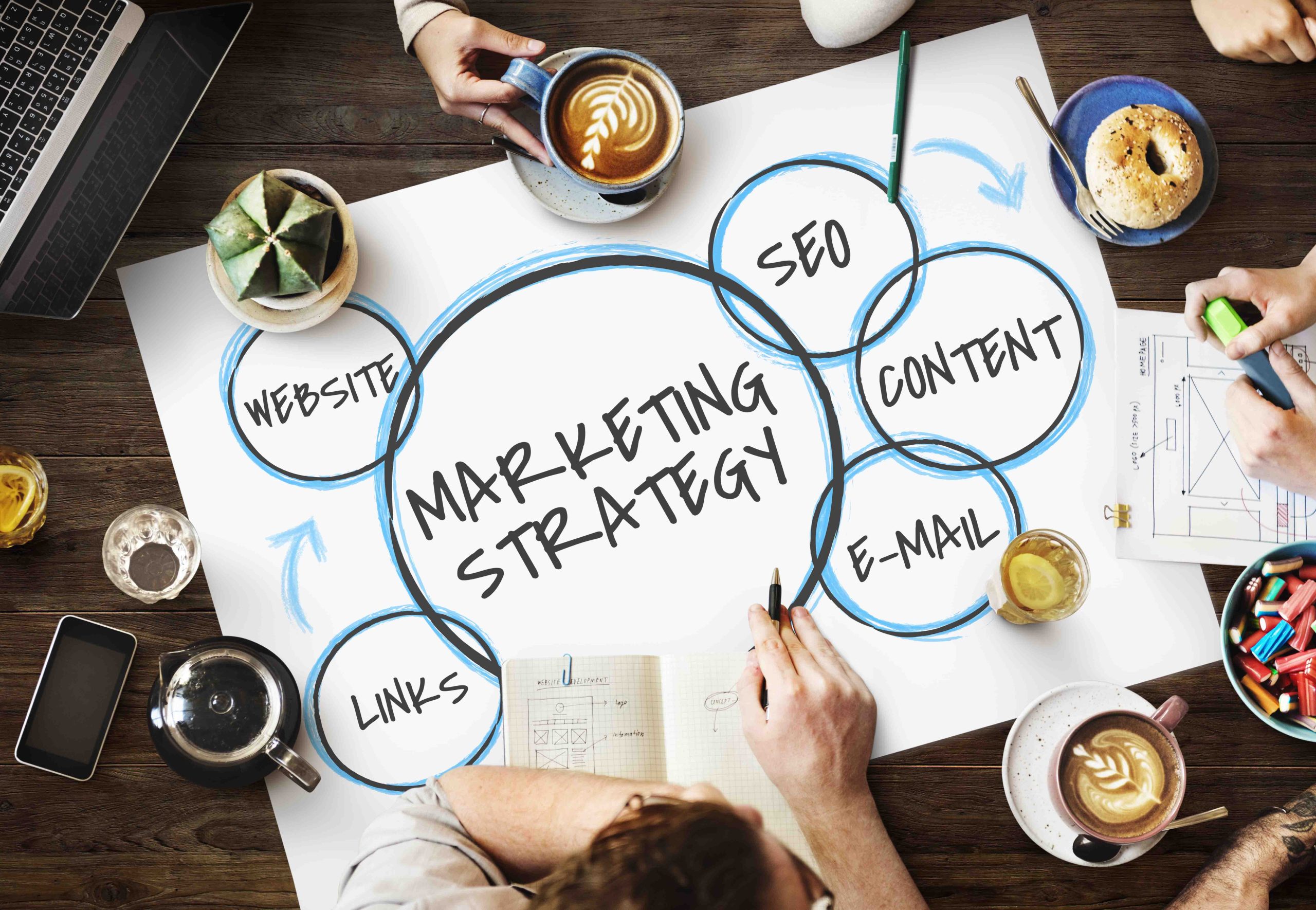
Scarcity tactics create a sense of urgency among customers by suggesting that they must act quickly to avoid missing out on a product or service that may not be available in the future. This can be
achieved by using limited-time offers, countdown timers, or limited-edition products.
-
79. Display social proof to build trust
People tend to trust the recommendations and opinions of others, especially those they perceive as being similar to themselves. Displaying positive reviews and testimonials from satisfied customers to build trust and credibility.
-
80. Make your marketing messages more memorable and shareable
Create a positive emotional connection to help your audience feel like they know your brand on a personal level. Certain aspects, such as humor, can help humanize your brand and make it more relatable to your audience.
-
81. Use emotional storytelling
By sharing stories that evoke emotions such as joy, empathy, or inspiration, you can help customers understand the values and mission of your brand and create a sense of loyalty and trust.
-
82. Use educational content to provide value to your customers
To use educational content effectively, it is essential to understand your audience and their needs, as well as the topics and issues that are most relevant to your industry. This can be done through market research, customer surveys, and analysis of industry trends and data.
-
83. Identify your brand’s values and mission
Your brand’s values and mission should be at the core of everything you do. By clearly defining these, you can establish a unique identity that sets you apart from your competitors.
-
84. Tailor your marketing messages to specific groups of customers
By targeting specific groups of customers with tailored messages, you can improve the effectiveness of your marketing efforts. Always ensure that any data collected is used ethically and in compliance with relevant data privacy laws and regulations.
-
 85. Give customers a taste of what you have to offer
Free trials or samples allow customers to try your product without having to make a commitment, which can encourage them to take the leap and make a purchase. Be upfront about the terms and conditions of the free trial or sample offer.
-
86. Reward loyal customers
Loyalty programs can increase customer retention by incentivizing customers to continue doing business with your company. Monitor the performance of your loyalty program and adjust it as needed to ensure it is achieving your desired results.
-
87. Enrich the value of each customer transaction
Understand the customers’ needs and preferences to offer relevant and valuable recommendations. Always ensure the upsell or cross-sell is appropriate and doesn’t come across as pushy or aggressive.
-
88. Aged leads are not dead leads
You will be surprised how many of us fall into this misconception! Aged leads have already shown interest in your product or service, which means they are more likely to be interested in hearing from you again.
-
89. Try to convert customers into fans
This is obviously not easy. Fans, unlike customers, are more likely to recommend your brand to others, which can help you generate more business through word-of-mouth marketing. Providing a personalized experience is a start.
-
90. Make customers happy to a manageable degree
As a business, making customers happy should always be a top priority. However, it’s important to note that it’s not always possible or practical to make every customer happy to the fullest
extent.
-
91. Use customer feedback surveys
Customer feedback surveys provide insights into what customers like and dislike about your products and services. Develop clear and concise questions that are relevant to your objectives and can be easily understood by your customers.
-
 92. Build a community around your brand
Building a community around your brand helps create a sense of belonging among customers, which leads to increased engagement and loyalty. Create valuable content and encourage engagement to foster relationships.
-
93. Experiment with A/B testing
Identify the marketing asset you want to test, create two versions with one variable changed, and track the performance of each version. Make sure to test one variable at a time to accurately identify what works and what doesn’t.
-
94. Evolve your marketing campaigns
To keep up with the changing market trends and customer preferences, you need to keep coming up with fresh ideas. Assess the performance of your current marketing campaigns and identify areas for improvement.
-
95. Improve your KPIs
KPIs, or Key Performance Indicators, are measurable values that businesses use to track and evaluate their success in achieving specific goals. To improve KPIs, you should first identify which KPIs are most important to your goals and objectives.
-
96. Smartly use website analytics
Website analytics can provide valuable insights into the performance of your website, including traffic sources, visitor behavior, and conversion rates. By using website analytics, you can make
data-driven decisions to improve the user experience and optimize your website for better results.
-
97. Use heat maps and user recordings
A heat map is a visual representation of the areas of your website where users are clicking or spending the most time, whereas user recordings are recordings of users’ interactions with your website. Combining both can considerably improve your understanding of your user’s requirements.
-
98. Use call tracking to measure marketing effectiveness
Call tracking allows businesses to track the number of leads and conversions generated by each marketing campaign by identifying which channels, messages, and targeting strategies. It also helps to calculate the return on investment (ROI) for each campaign.
-
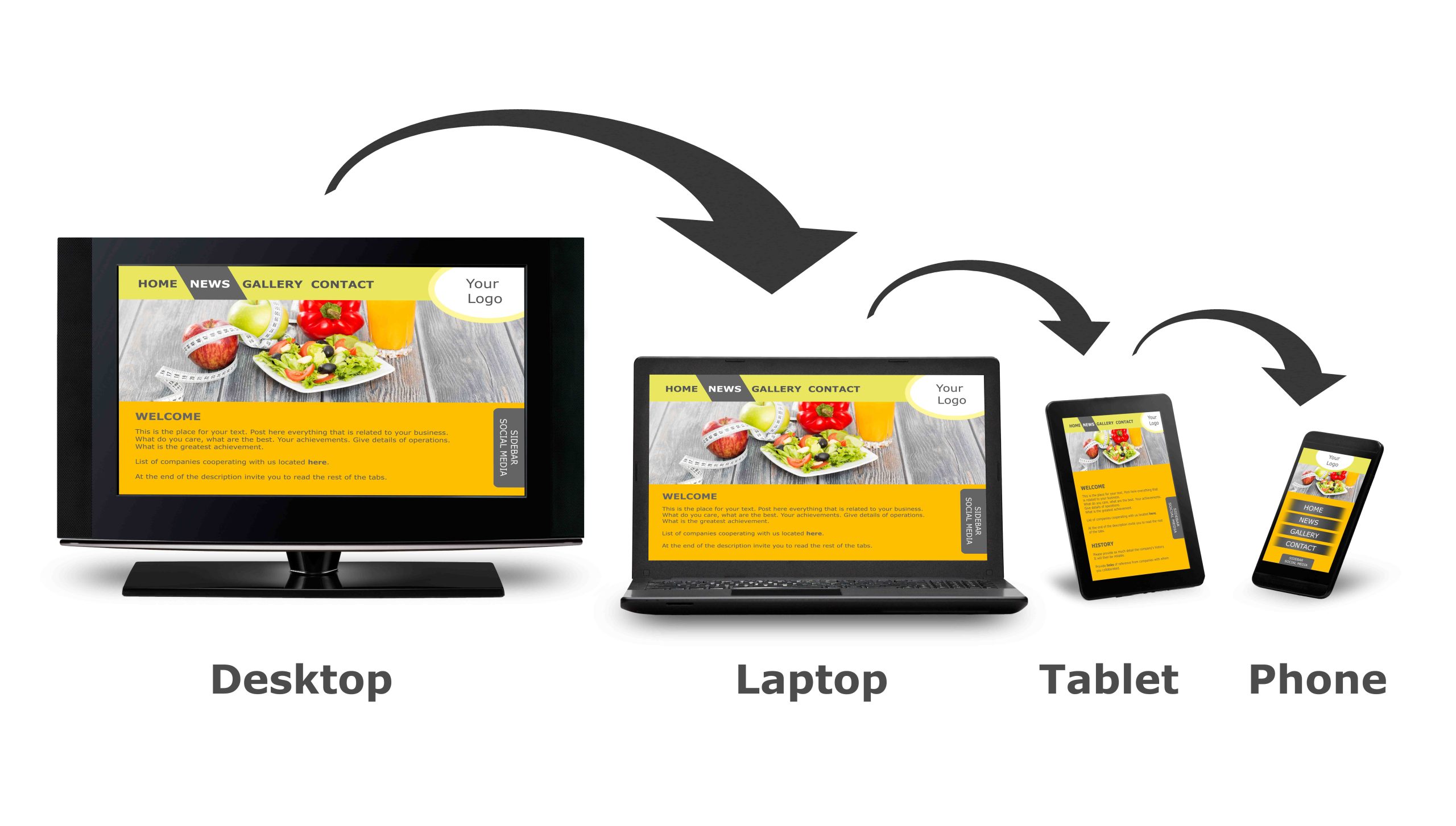 99. Ensure your website is mobile-friendly and accessible on all devices
Mobile optimization ensures that your website is easy to navigate, loads quickly, and looks good on smaller screens. If your website is not optimized for mobile devices, you may be missing out on a significant portion of your potential audience.
-
100. Use omnichannel marketing to reach customers across multiple platforms and
Omnichannel marketing is a strategy that involves creating a seamless and consistent experience for customers across all channels and touchpoints, both online and offline. Ensure that your brand messaging and value proposition are consistent across all channels.
-
101. Build a diverse team
Building a diverse team is essential for a company’s success as it brings different perspectives, experiences, and skill sets to the table. This can only be made possible by having inclusive hiring practices and avoiding bias in the hiring process.
-
102. Monitor your business’s cash flow regularly
Monitoring your business’s cash flow is essential to ensure that you have enough funds to operate and grow your business. You can plan for the future, make informed decisions, and take advantage of opportunities that arise.
-
103. Form strategic partnerships with other businesses
By partnering with another business, you can leverage their customer base and reach new audiences, thereby increasing your brand exposure and awareness. It also allows you to share resources and expertise, which can help you save money and improve quality.
-
104. Consider alternative financing options to secure funding
Traditional financing options can take time to secure. Alternative financing options like crowdfunding and peer-to-peer lending offer more flexibility in terms of repayment schedules and interest rates compared to traditional financing options.
-
105. Keep accurate records of your financial transactions
Proper record-keeping is often required by law for tax purposes, and failure to maintain accurate records can result in penalties and fines. Keep physical or digital copies of all receipts and invoices, and organize them in a logical and easily accessible manner.
-
 106. Set realistic and measurable goals
Set specific goals to focus your efforts and resources on the most critical tasks. When people have a clear objective to work towards, they are more likely to be engaged and committed to the success of the business.
-
107. Develop a unique value proposition
A unique value proposition (UVP) is a statement that communicates the benefits and value that a business offers to its customers. Create a UVP that is clear, concise, and differentiated from the competition.
-
108. Focus on building long-term relationships
Loyal customers are more likely to make repeat purchases, which is less costly than acquiring new customers. Personalize your communication with customers and consistently provide high-quality products.
-
109. Consider outsourcing non-core functions
Outsourcing non-core functions is a cost-effective way to manage your business’s workload and free up time for you and your team to focus on core functions. Through outsourcing, you can save on the costs of hiring and training staff in-house.
-
110. Embrace new technologies and innovations
Technology is constantly evolving, and businesses that fail to keep up risk being left behind. Invest in new technologies and tools, such as automation software or data analytics platforms, to improve efficiency and gain insights into your business operations.
-
111. Be transparent and honest in your business dealings
Consistency is key when it comes to transparency. Make sure you are transparent in all aspects of your business, including marketing, sales, and customer service. Don’t be afraid to admit mistakes openly and take responsibility for them.
-
112. Evaluate and refine your pricing strategy
The market and industry trends are constantly changing, and it’s necessary to stay up to date with the latest pricing strategies to remain competitive. Evaluate your competitors’ prices regularly and adjust your prices accordingly to stay in line with the market.

How Can Business Technology Benefit You
Business technology has become an integral part of modern-day business operations, and it’s not difficult to see why. In today’s digital age, customer experience is everything. Business technology has provided businesses with the tools to enhance the customer experience, from customer relationship management software to chatbots. With technological advancements, companies can now operate more efficiently, effectively, and productively. From automation to cloud computing, the benefits of business technology are endless.
The Final Word
Don’t wait another day to start building your startup success story. Bookmark our guide now and start implementing our 112 business tips today. With our comprehensive guide by your side, you’ll be well-equipped to overcome any obstacle and achieve success in 2023 and beyond.
Frequently Asked Questions (FAQs)
Q: How much money do I need to start a business in Florida?
A: The amount of money you need to start a business in Florida depends on various factors, such as the type of business, location, and size. It’s essential to create a realistic budget that takes into account all of your business expenses and funding options.
Q: Do I need a business license to operate in Florida?
A: Yes, most businesses in Florida require a state and/or local business license to operate legally. It’s crucial to research and obtain any necessary licenses and permits for your business.
Q: How do I protect my business from cyber threats?
A: Implementing cybersecurity measures, such as firewalls, anti-virus software, or two-factor authentication, can help protect your business from cyber threats. It’s also essential to train your
employees on cybersecurity best practices and stay informed about the latest threats and vulnerabilities.
Q: How do I hire the right people for my business?
A: Hiring the right people for your business requires careful planning and consideration. It’s essential to define the skills, experience, and cultural fit you’re looking for and use various recruitment strategies, such as job postings, referrals, or social media, to attract top talent. Conducting thorough interviews and background checks can also help you make informed hiring decisions.
Q: How do I build a positive work culture for my business?
A: Building a positive work culture requires intentional efforts to create a supportive and inclusive environment for your employees. Some strategies you can use include promoting open communication and transparency, offering professional development opportunities, and recognizing and rewarding employee contributions. It’s also essential to lead by example and set the tone for your company culture.